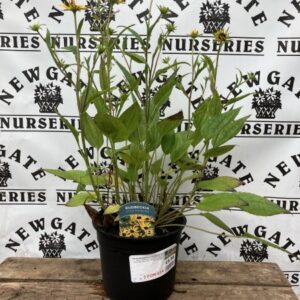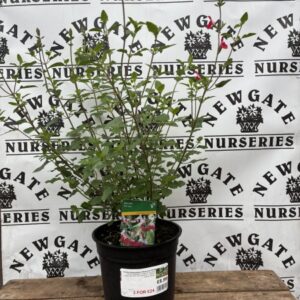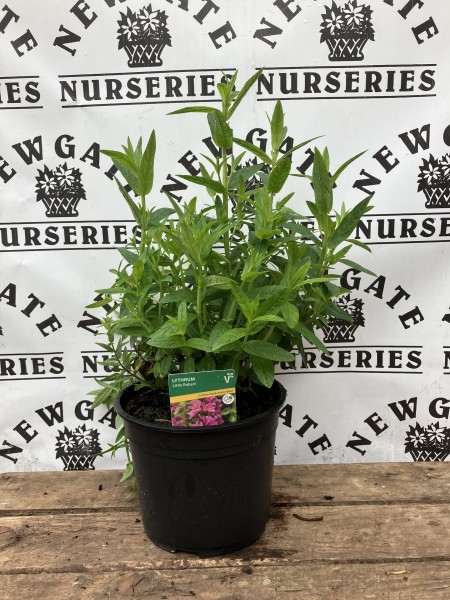
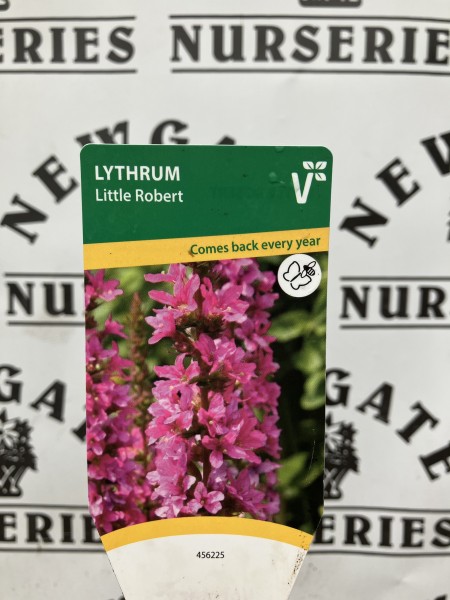
Lythrum Robin
£8.99
Stunning compact purple loosestrife with vibrant magenta flowers from summer through autumn. Perfect for borders and wet areas.
32 in stock
Description
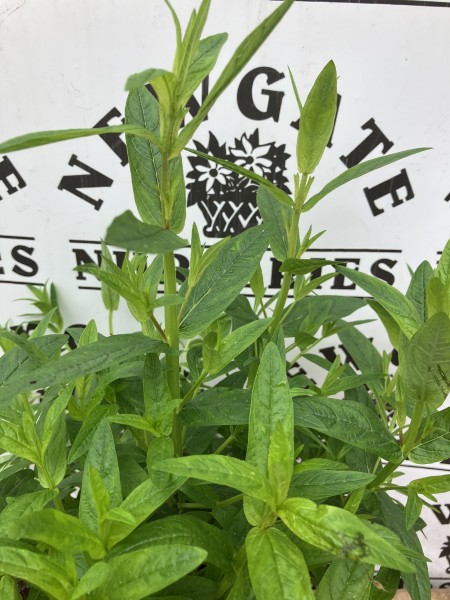
Lythrum Robin is a stunning clump-forming perennial that brings reliable colour to borders and riverside gardens throughout the summer months. This vigorous variety reaches approximately 80cm in height, making it an ideal mid-border plant that won’t overshadow surrounding specimens. The slender, lance-shaped foliage provides an attractive green backdrop, whilst the distinctive erect stems bear long racemes of clear pink flowers that seem to glow in evening light. Flowering from mid-summer through to early autumn, this hardy perennial ensures months of interest when many other plants are fading.
This is a particularly valuable plant for gardeners looking to attract wildlife to their garden. The nectar-rich blooms are hugely popular with bees, butterflies, and other pollinating insects, making it an excellent choice for those wanting to support local ecosystems. The upright growth habit also makes it perfect for cutting — the long stems produce excellent long-lasting flowers for indoor displays, so you can enjoy the blooms in the house whilst still having plenty of colour in the garden.
Lythrum Robin is exceptionally easy to grow and requires minimal fussing once established. It thrives in moist soil and performs particularly well in boggy areas, alongside ponds, or in damp borders where other plants might struggle. Whilst it tolerates partial shade, it flowers most prolifically in full sun. Plant in spring or autumn, spacing plants approximately 60cm apart to allow for their mature spread.
Care is straightforward: deadhead spent flower spikes to encourage further blooms and maintain a neat appearance. In autumn, cut back the old stems close to ground level to tidy the plant and make way for fresh growth in spring. Divide established clumps every three to four years in spring to rejuvenate plants and create additional specimens for other areas of the garden. Water regularly during dry spells, particularly in the first year after planting, and once established this perennial is extremely drought-tolerant.
Additional information
| Weight | 2 kg |
|---|---|
| Dimensions | 40 × 40 × 40 cm |