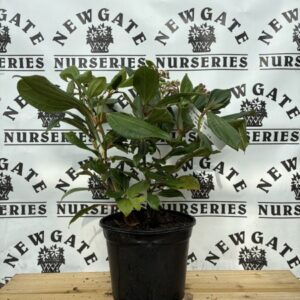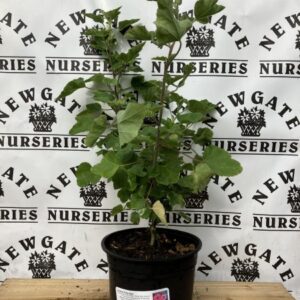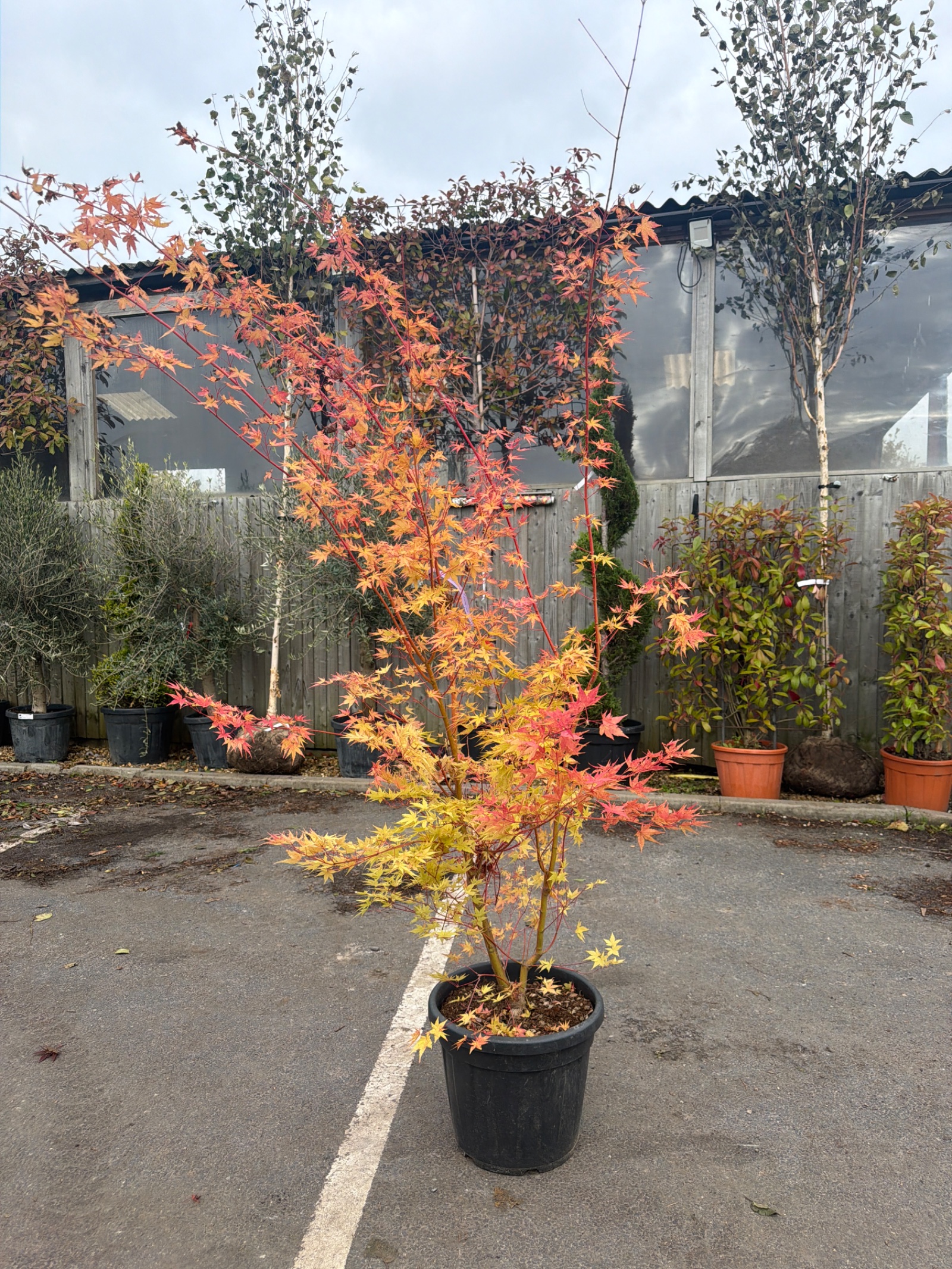
Acer palmatum Sangokaku 150/175cm
£249.99
A stunning Japanese maple with coral-red stems that glow beautifully in winter sun, plus delicate green summer foliage that turns golden-orange in autumn. Year-round interest in a semi-sheltered spot.
2 in stock
Description
Acer palmatum Sangokaku is one of the finest Japanese maples for adding architectural interest to your garden throughout the year. This cultivar is prized for its striking coral-red stems that positively glow when caught by winter sunlight, creating a stunning focal point during the darker months. During spring and summer, delicate green palmate foliage provides an elegant canopy, transforming to glorious golden-orange tones as autumn arrives, ensuring your garden remains vibrant long after the growing season ends. At 150-175cm, this specimen size is mature enough to make an immediate impact whilst remaining manageable for most garden spaces.
The beauty of Sangokaku lies in its extended season of interest. Unlike many ornamental plants that shine for just a few weeks, this Japanese maple earns its place in your garden for twelve months of the year. The coral-red stem colour actually intensifies during winter when temperatures drop and sunlight is lower in the sky, making it particularly valuable for creating structure and visual warmth during the bleakest time of year. This stem colouration is most vibrant on new growth, so light pruning in spring helps maintain this desirable feature.
Growing Sangokaku successfully requires a semi-sheltered position with dappled shade or morning sun. Avoid exposed, windswept sites, as these can damage the delicate foliage and stress the plant. Well-draining soil rich in organic matter is essential—Japanese maples dislike both waterlogging and drought. Add plenty of compost or leaf mould when planting, and maintain consistent moisture during the growing season. Mulching around the base helps retain moisture and keeps the roots cool during warmer months.
Once established, this Japanese maple requires minimal maintenance. Light pruning in spring helps shape the plant and encourages those prized coral-coloured stems. Avoid heavy pruning, which can spoil the naturally graceful habit. Feed with a balanced fertiliser in spring, and ensure adequate watering during dry spells, particularly in the first two years after planting. Pests and diseases rarely trouble this cultivar when grown in suitable conditions.
This is an excellent specimen for creating focal points, planting near terraces or seating areas where the winter stem colour can be appreciated, or using as a centrepiece in Japanese-style gardens. It also performs well in large containers, making it perfect if you’re looking to add year-round interest to a patio or courtyard.
Additional information
| Weight | 5 kg |
|---|---|
| Dimensions | 175 × 50 × 50 cm |
| Season | All Year |