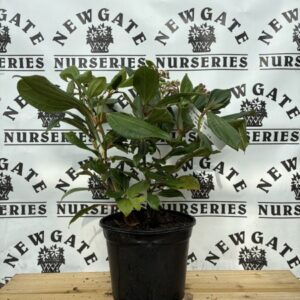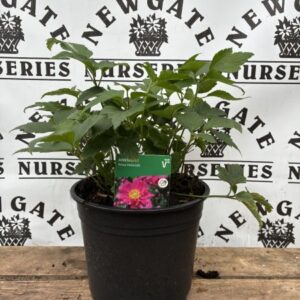
Prunus Cerasifera Princess
£69.99
Ornamental cherry with dark purple foliage that turns stunning shades of red and orange in autumn. Perfect focal point for year-round garden interest.
1 in stock
Description
Prunus Cerasifera Princess is an outstanding ornamental cherry that delivers exceptional garden drama throughout the entire year. This compact deciduous tree is prized for its dark purple foliage that persists from spring right through summer, creating a rich, jewel-like backdrop for other plantings. When autumn arrives, the leaves transform into spectacular shades of crimson and burnt orange before dropping, providing weeks of breathtaking colour that few other garden specimens can match. In spring, delicate pale pink blossoms emerge just before the new leaves unfurl, adding another layer of seasonal interest to this truly multi-seasonal performer.
Growing to approximately four to six metres in height with a similar spread, Princess makes an ideal focal point for medium-sized gardens without overwhelming the space. The tree thrives in well-drained soil and performs best in full sun to partial shade, where the foliage colour will be most vibrant. It’s remarkably hardy and adaptable to most UK growing conditions, though it appreciates shelter from strong, drying winds. Once established, it’s fairly low-maintenance and doesn’t require fussy feeding or constant attention, making it perfect for gardeners seeking impact without high maintenance demands.
For best results, plant your Prunus Cerasifera Princess in autumn or early spring, ensuring the root ball is well-watered during the first growing season. Minimal pruning is needed beyond removing any crossing or damaged branches in late winter. The tree is largely pest and disease-resistant, though like all stone fruits, it benefits from good air circulation to prevent fungal issues. A light mulch around the base helps retain moisture and suppress weeds during establishment.
This is a tree that genuinely earns its place in any garden scheme. Whether you’re looking to create a striking architectural feature, add height to a border, or simply inject year-round colour and elegance into your outdoor space, Prunus Cerasifera Princess delivers on all fronts. It’s particularly stunning as a standalone specimen where it can be fully appreciated, but also works beautifully as part of a mixed planting scheme.
Additional information
| Season | All Year |
|---|